
Understanding the Best Treatments for Knee Pain
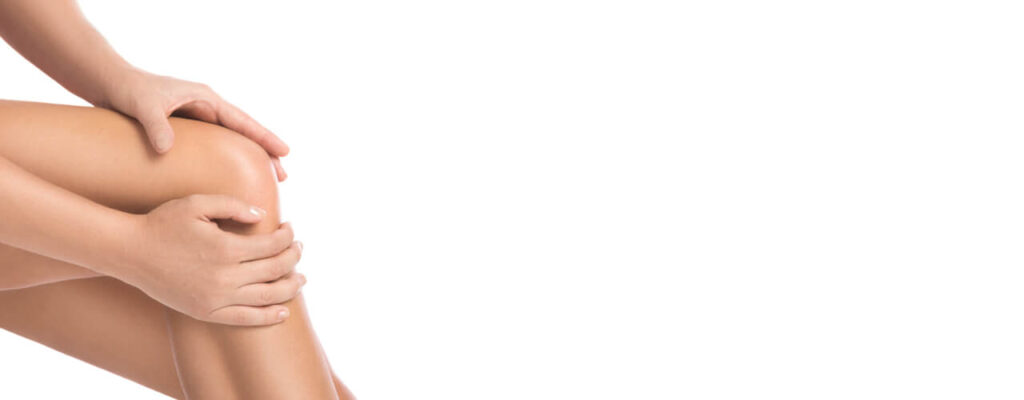
Knee pain affects movement, stability, and overall function, making even routine activities uncomfortable. The knee joint plays a crucial role in supporting body weight and enabling motion. The Sports Clinic provides comprehensive care to address knee pain effectively, ensuring each patient receives a treatment plan tailored to their specific condition. Finding the right knee pain treatment can help restore mobility, reduce discomfort, and improve long-term joint health.
What Is the Knee Joint and Why Does It Cause Pain?
The knee is a hinge joint that connects the thigh bone (femur) to the shin bone (tibia). The kneecap (patella) sits in front of the joint, providing additional protection and support. Ligaments, tendons, and cartilage help stabilize and cushion the knee during movement.
Knee pain can occur when any of these structures become irritated, inflamed, or damaged due to injury, overuse, or degenerative changes. Identifying the cause of knee pain is the first step toward effective treatment.
Common Causes of Knee Pain
Several conditions contribute to knee pain, each requiring a specific approach to treatment:
Overuse Injuries
- Repetitive movements from running, jumping, or prolonged kneeling can lead to inflammation in the tendons (patellar tendonitis) or the fluid-filled sacs (bursitis) around the knee.
Arthritis
- Osteoarthritis causes the gradual breakdown of joint cartilage, leading to stiffness, swelling, and chronic pain. Rheumatoid arthritis, an autoimmune condition, also affects the knee joint, causing inflammation and joint damage.
Ligament Injuries
- The anterior cruciate ligament (ACL) and medial collateral ligament (MCL) are commonly injured in sports or accidents, causing instability, swelling, and severe pain.
Meniscus Tears
- The meniscus, a cartilage cushion in the knee, can tear from sudden twisting motions, leading to pain, swelling, and difficulty bending the knee.
Patellar Tracking Issues
- When the kneecap does not move correctly within its groove, it can lead to discomfort, grinding sensations, and difficulty with activities like squatting or climbing stairs.
How Do Common Knee Surgeries Contribute to Pain?
In some cases, surgery is required to repair knee damage. However, post-surgical pain is common due to tissue trauma, inflammation, and the healing process. The three most frequently performed knee surgeries include:
Arthroscopic Meniscus Repair
- This minimally invasive procedure repairs a torn meniscus. Post-surgical pain occurs due to swelling, stiffness, and the need for gradual weight-bearing adjustments during recovery.
ACL Reconstruction
- This surgery replaces a torn ACL with a graft (from the patient or a donor). Knee pain after ACL surgery results from surgical trauma, swelling, and the need to restore strength and stability in the surrounding muscles.
Total Knee Replacement (TKR)
- This procedure replaces the damaged knee joint with an artificial implant. Post-operative pain occurs due to muscle imbalances, scar tissue formation, and the body adjusting to the new joint.
Although surgery can correct structural damage, rehabilitation plays a crucial role in reducing pain and restoring normal movement.
How Does a Physiotherapy Evaluation Identify the Right Knee Pain Treatments?
An initial physiotherapy evaluation at The Sports Clinic provides a detailed assessment to determine the most effective knee pain treatment based on the patient’s specific condition. Based on the evaluation, a personalized treatment plan is developed, ensuring each patient receives a structured approach to recovery. We’ll select treatments designed to promote stability, reduce pain, and restore confidence in movement, such as the following:
Manual Therapy to Improve Joint Mobility
Hands-on techniques, including joint mobilizations and soft tissue therapy, help restore proper knee movement. These approaches reduce stiffness, improve circulation, and promote healing by gently guiding the knee through its natural range of motion.
Therapeutic Exercises for Strength and Mobility Restoration
Mobility Exercises
- Targeted stretching and movement-based drills improve joint range of motion and flexibility.
Strengthening Exercises
- Focus on building strength to support the knee joint and reduce stress.
Gait, Balance, and Coordination Training to Restore Function
Regaining proper movement patterns is essential for long-term knee health
Gait Training
- Corrects walking patterns to reduce strain on the knee
Balance Exercises
- Enhances stability, reduces fall risks, and improves weight distribution
Proprioceptive Training
- Improves coordination and joint awareness to prevent future injuries.
When Should Someone Seek Professional Help for Knee Pain?
A physiotherapy assessment is recommended when knee pain:
- Persists for more than two weeks without improvement
- Interferes with walking, climbing stairs, or daily activities
- Causes swelling, instability, or limited range of motion
- Results from an injury that impacts mobility
- Early treatment prevents worsening symptoms and ensures faster recovery
Effective knee pain treatment at The Sports Clinic provides individualized treatment plans to help patients regain strength, mobility, and confidence in their daily activities. If knee pain is limiting your movement, schedule an evaluation today to start your recovery journey.