
Regaining Independence: Exploring Assistive Devices in Post-Operative Rehabilitation
Using Assistive Devices For Rehab Can Help Support Your Recovery
The recovery process after surgery is unique for everyone. It’s a time of healing, rehabilitation, and gradually regaining the independence you may feel you’ve lost. If you’re navigating this path, you’re not alone. One vital tool in this timeline is the use of assistive devices for rehab. They can play a pivotal role in enhancing your physiotherapy, making your exercises more effective, and speeding up your overall recovery.
Keep reading to learn more about these important rehabilitation tools.
What Are Assistive Devices For Rehab?
In simple terms, assistive devices for rehab are tools designed to help individuals with physical limitations perform tasks that might otherwise be difficult or impossible. They bridge the gap between your current abilities and your rehabilitation goals. These devices come in various forms, each tailored to address specific needs.
Five commonly used assistive devices for rehab in physiotherapy include:
Walkers
- These four-legged devices offer maximum stability and support, making them ideal for individuals who are just starting to walk after surgery or have significant balance issues. They come in standard, rolling, and folding varieties to suit different lifestyles.
Canes
- These single-point support devices are ideal for individuals who need help with balance and stability while walking. They come in various styles, including single-point, quad (four point), and hemi-walker (half-walker) canes. A cane can reduce stress on injured joints, making it easier to get around.
Crutches
- Crutches provide more support than canes, making them suitable for those who need to take weight off one or both legs. They can be used in various gait patterns, depending on your specific needs and level of mobility.
Walking Sticks
- Similar to canes, walking sticks offer support and stability for those with mild balance issues or who need assistance with walking. They are often a more stylish alternative to canes.
Wheelchairs
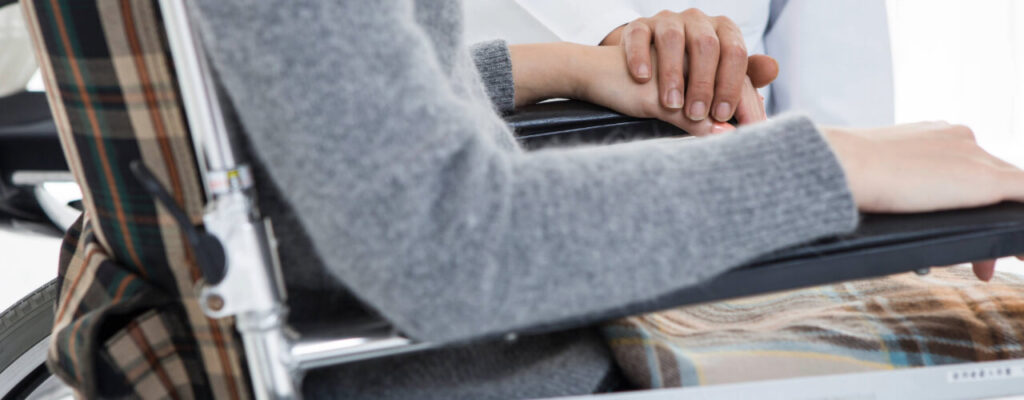
- For individuals with limited mobility or those who need to conserve energy, wheelchairs offer a safe and efficient way to get around. They come in manual and electric options, with various features to accommodate different needs..
Each assistive device has a specific purpose, and your physiotherapist will guide you in choosing the right ones based on your individual needs and recovery goals. The goal is to gradually reduce your reliance on assistive devices as your strength and mobility improve.
There are a wide range of conditions where we recommend assistive devices, and some of the most common conditions include:
Joint Replacements (Hip and Knee)
- After joint replacement surgery, assistive devices like walkers or canes are crucial for providing support and stability during the initial stages of recovery. They help reduce stress on the new joint, allowing it to heal properly while enabling patients to gradually regain mobility.
Stroke
- Individuals recovering from a stroke often experience weakness or paralysis on one side of the body. Assistive devices like walkers, four-point canes, hemi-walkers, and wheelchairs can assist with balance and mobility. Additionally, devices like reachers and dressing aids can promote independence in daily activities.
Spinal Cord Injuries
- Depending on the severity of the injury, individuals with spinal cord injuries may require a variety of assistive devices. Wheelchairs are often essential for mobility, while other devices like transfer boards and adaptive equipment for daily living can help maximize independence.
Rehabilitation at The Sports Clinic
If you’re ready to take the next step in your post-operative rehabilitation, reach out to our clinic for a consultation. Our experienced physiotherapists can assess your needs, recommend the appropriate assistive devices for rehab, and create a personalized rehabilitation plan to help you regain your independence and get back to doing what you love.
Call today!